
We often pride ourselves on being self-sufficient and independent. We’re taught to figure things out on our own and not burden others with our problems. When we’re struggling it’s easy to get caught up in the idea that we must do it alone or not publicly express our needs. Our family helps us as much as they can and would do more if they could. There is only so much you can do when recovering from a near fatal accident. In my case, I am facing a life long disability.
The mental and emotional toll of being a survivor of a near fatal accident can’t be fully understood by those who have not been there.
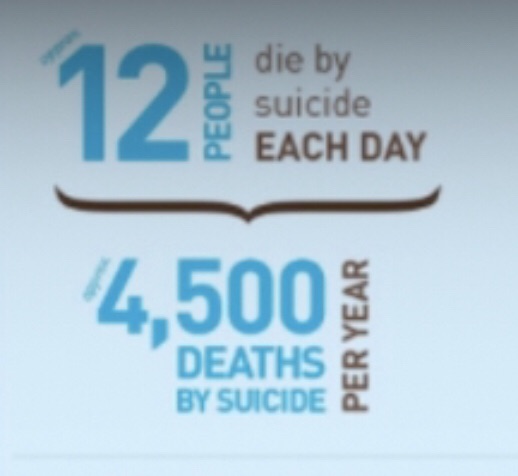
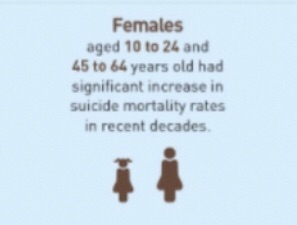
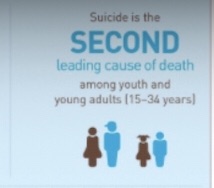
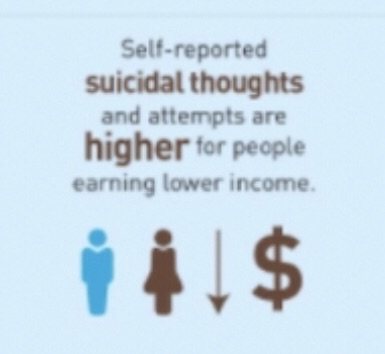
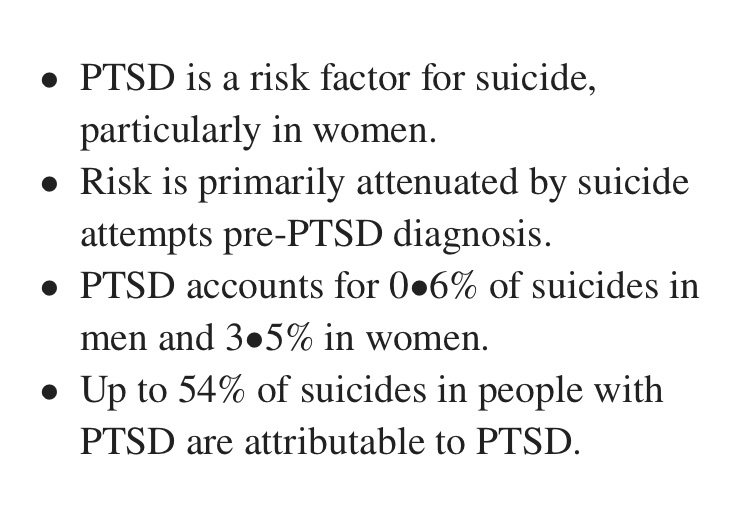
The reason why I am sharing this is because I want to live. I don’t want to wait until it is too late.
Am I safe? I am… FOR NOW
There are steps I am taking to reach out for help. I am reaching out for help in the only way I know how.
To every resource I find reaching out for help there is a hundred negative reactions.
Just about everywhere I have turned for help outside of my immediate family has been “You don’t fit the criteria”. I was an Out Patient at St Paul’s and the Psychiatrist met with me for 15 minutes only to tell me there’s nothing more they can do. I called the Crisis Line once and they told me to call back before I jump. My family is helping me as much as they can. They would do more if they could. My dad is helping me from his old age pension.
World Suicide Prevention Day.
What can we do to help those we love?
What can we do to help prevent suicide?
9 Tips to Prevent Suicide
- Educate yourself: Learn about suicide risk factors, warning signs, and resources
- Encourage open conversations: Create a safe space for individuals to share their feelings and concerns.
- Listen Actively: Pay attention to what others say, and show empathy and understanding.
- Reduce Stigma: Avoid judgmental language and promote a culture of understanding
- Support Mental Health: Encourage professional help and self-care practices
- Identify warning signs: Recognize changes in behaviour, mood, or speech that may indicate suicidal thoughts.
- Act with compassion: Offer help and resources, and follow up regularly.
- Encourage healthy coping mechanisms: Support positive outlets like exercise, creative activities, or mindfulness.
- Advocate for policy changes: Support legislation and initiatives addressing mental health and suicide prevention.
We can only do so much ourselves. I have family and friends who support me as much as they can but unfortunately I need more support then what they are able to provide.
I continue to live on Wage Loss Benefits which isn’t much. Worker’s compensation has delayed my wage loss benefits a couple of times. As they delay my wage loss benefits I am at risk to getting evicted. I am yet again waiting and waiting to find out if my wage loss benefits have yet again been cut or if my benefit cheque has just been delayed. This places me at risk of eviction.
Here are my bills:
- Rent – $1200 per month
- Hydro – $60 per month
- Phone & WiFi – $150 per month
- PTSD Assessment w/ Psychologists – around $150-$220 per session pending with the goal of weekly appointments.
- Medications not covered and food – This depends on how much my wage loss benefits might be cut while I take care of my non-negotiable needs to survive.
I get about $2200 per month from Compensation give or take. And that’s not to factor in when they cut my wages.
So I share what I need in the hope I don’t get evicted because being homeless is not any quality of life. I have seen what happens to the homeless.
The journey as a survivor from a near fatal accident is long and difficult. So I journal positive uplifting articles while giving updates to my recovery and also ask for your support. Because the alternative is “x”
… ; There just might be hope. I want to believe
HOPE
It Gets Better
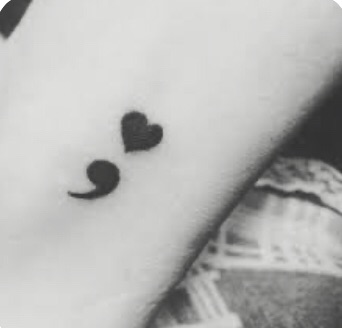
The semicolon tattoo can be seen as a symbol of hope. It represents the idea that you can pause in the middle of life’s hardships and continue on


Leave a Reply